Rug Pull Explained How Scammers Launch Meme Coins
· based on the channel New brand channel
A rug pull is a deliberate cryptocurrency scam where developers create a token, often a meme coin, with hidden exit mechanisms that allow them to drain liquidity and abandon investors. This scam exploits engineered smart contracts with built-in admin controls, manipulated tokenomics, and deceptive liquidity pool setups. Understanding these tactics is essential for investors to avoid becoming exit liquidity and for developers to design more secure projects.
Engineered Tokenomics in Rug Pulls
Scammers design the tokenomics of rug pull tokens to enable a profitable exit. This includes:
- Inflated Total Supply: Creating an excessive number of tokens to dilute value.
- Emission Schedules: Setting high release rates of tokens to flood the market during the dump.
- Whale Allocations: Reserving large token amounts for the developers to sell at peak prices.
These features ensure that the scammers can pump the token’s price artificially before dumping their holdings.
Liquidity Pool Illusions
Liquidity pools are critical for trading tokens, but rug pull schemes manipulate these pools to create false security:
- Fake Locked Pools: Scammers claim liquidity is locked, but the lock is either fake or easily bypassed.
- Hidden Dependencies: Liquidity may depend on other tokens or contracts controlled by scammers.
These illusions make investors believe their funds are safe, encouraging them to buy and hold.
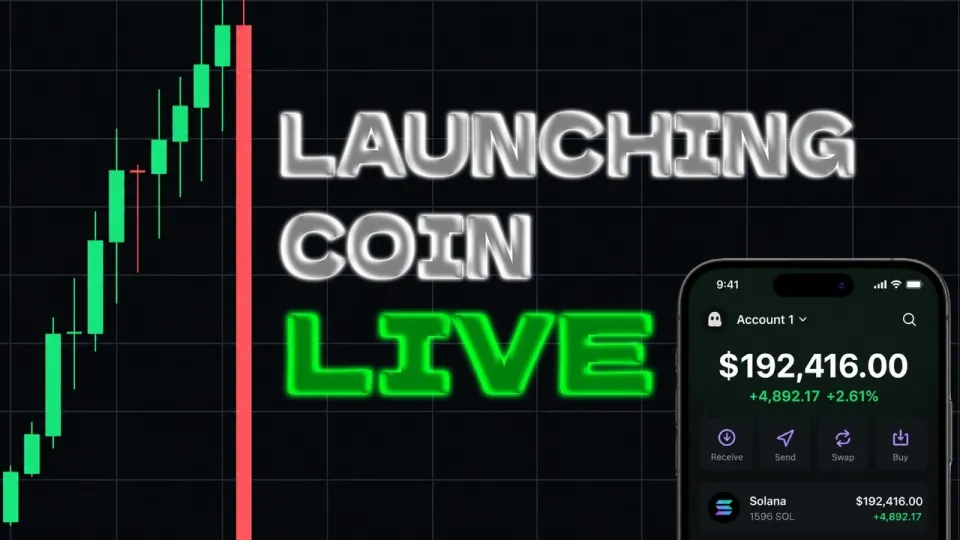
Admin Backdoors and Kill Switches
Smart contracts in rug pulls often include hidden backdoors:
- Admin Permissions: Appear normal but grant complete control to developers over token and liquidity.
- Kill Switch Logic: Dormant functions that activate once total value locked (TVL) reaches a high point, enabling a sudden liquidity drain.
Detecting these permissions requires careful smart contract audits and understanding common scam patterns.
Forensic On-Chain Analysis to Spot Rug Pulls
Analyzing blockchain data can reveal red flags such as:
- Unusual token distribution favoring developers.
- Rapid liquidity changes inconsistent with organic trading.
- Interactions with known scam addresses or contracts.
Investors and auditors can use tools like launch-tool.org to perform these analyses and assess risks before investing.
Common Questions and Concerns About Rug Pulls
Many investors wonder how to differentiate legitimate meme coins from scams or how scammers disguise their tactics. Typical questions include: Can locked liquidity be trusted? How do rug pulls exploit popular blockchains like Solana? What are typical signs before a pump and dump?
Understanding these helps investors stay vigilant and avoid losses.
Useful Links
Summary
Rug pulls are sophisticated exit scams pre-programmed into meme coin smart contracts using engineered tokenomics, fake liquidity locks, and admin backdoors. Recognizing these patterns through forensic on-chain analysis and smart contract auditing is vital to avoid becoming exit liquidity. Resources like launch-tool.org aid investors and developers in detecting scams early. This guide is based on the detailed breakdown from the New brand channel, providing a step-by-step look into rug pull architecture and tactics.
Key takeaways
- Rug pulls are premeditated exit scams coded into smart contracts.
- Scam tokens use engineered tokenomics to maximize exit profits.
- Fake locked liquidity pools mislead investors about safety.
- Admin backdoors allow scammers to control tokens and liquidity.
- Forensic on-chain analysis helps detect rug pull red flags.
Source: Rug Pull Guide How to Launch a Meme Coin Step-by-Step · Markdown version
Questions & answers
What exactly is a rug pull in cryptocurrency?
A rug pull is a scam where developers create a crypto token with hidden mechanisms to drain liquidity and abandon investors, usually after pumping the token's price.
How can investors identify a rug pull before investing?
Investors should look for engineered tokenomics favoring developers, fake or easily bypassed liquidity locks, and suspicious admin permissions in smart contracts. On-chain forensic analysis tools can also reveal red flags.
Are locked liquidity pools always safe from rug pulls?
No, some rug pulls use fake locked pools or hidden dependencies that allow scammers to remove liquidity despite claims of locking, so verification of locks is essential.
What role do admin backdoors play in rug pull scams?
Admin backdoors grant developers control over tokens and liquidity, enabling them to execute a kill switch or drain funds once the token gains sufficient value, facilitating the exit scam.